COP17 Delegates Urged to Follow Global South Women Leading Biodiversity Efforts
Delegates at the U.N. biodiversity COP17 in Armenia this week are being encouraged to draw inspiration from women in the Global South who are driving effective conservation while challenging intertwined patterns of gender inequality and environmental degradation.
Delegates gathering in Armenia for the U.N. Convention on Biological Diversity COP17 are facing calls to prioritize the leadership of Global South women biodiversity COP17 as a proven path toward meaningful ecosystem protection. Despite nearly two decades of international pledges, biodiversity funding remains critically low while forest loss accelerates in many regions. Women from indigenous and local communities in the Global South have demonstrated practical solutions that simultaneously advance conservation and address gender-based oppression.
What happened
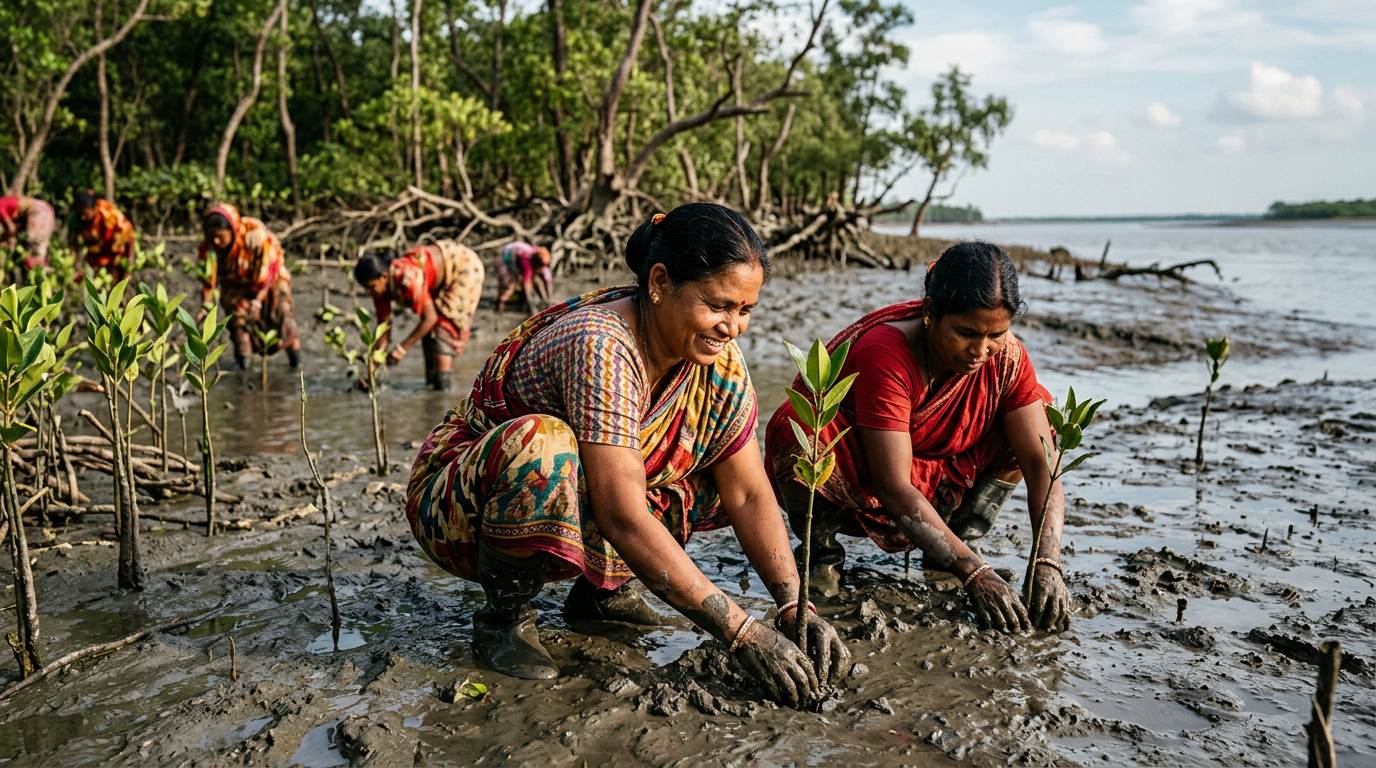
The 17th Conference of the Parties to the CBD opened this week in Yerevan with negotiators tasked to strengthen implementation of the Kunming-Montreal Global Biodiversity Framework. Commentators highlight that women's oppression and ecosystem exploitation remain deeply connected, noting that female leaders often bear the heaviest burdens from environmental damage yet receive the least recognition in policy circles. Several initiatives already showcase how women are translating traditional knowledge into tangible results, from mangrove restoration projects that generate income to community-led monitoring of threatened habitats.
Internal data reveals that nearly 90 percent of countries have adopted national biodiversity targets, yet most lag significantly on actual implementation. This gap underscores the need for fresh approaches that move beyond top-down financing models. Indonesian women earn from mangrove restoration efforts provide one concrete example where female-led cooperatives have restored coastal ecosystems while creating sustainable livelihoods.
Why it matters
Linking gender justice and nature protection
When women hold decision-making power over land and resources, conservation outcomes improve markedly. Studies consistently show that community forests managed with strong female participation experience lower deforestation rates. This connection between gender equality and ecosystem health offers COP17 delegates a practical framework for designing more effective policies that deliver results on the ground.
Underfunding and persistent forest loss
Biodiversity action continues to suffer from chronic underfunding even as threats intensify. Recent reports document accelerating conversion of vital wetlands and ongoing pressure on primary forests. By elevating Global South women biodiversity COP17 leadership, negotiators could unlock locally adapted solutions that international financing mechanisms have so far failed to scale successfully.
Learning from existing models
Female environmental stewards frequently integrate social justice with ecological restoration. Their work demonstrates that protecting biodiversity requires addressing unequal power structures. Similar patterns appear across continents, whether in efforts to phase out harmful pesticides or in community campaigns to safeguard critical habitats from extractive industries.
What comes next
Observers hope COP17 will produce concrete commitments that channel resources directly to women-led conservation initiatives in the Global South. Future meetings, including the upcoming COP30 in Brazil, may build on these foundations as nations seek to align biodiversity and climate agendas. Success will depend on translating high-level declarations into funding streams and policy changes that genuinely empower local women rather than merely acknowledging their importance.
The path forward requires moving beyond rhetorical support to structural reforms that recognize female knowledge holders as equal partners in global environmental governance. Armenia talks could mark a turning point if delegates choose to follow the lead already established by women on the front lines of biodiversity protection.
Sources
https://news.mongabay.com/2026/10/delegates-at-biodiversity-cop17-should-follow-the-lead-of-global-south-women-commentary/
https://news.mongabay.com/2026/10/nearly-90-of-countries-adopt-biodiversity-targets-but-lag-on-implementation/
https://atmoswire.com/haber/indonesian-women-earn-from-mangrove-restoration-efforts
Frequently asked questions
What is the main message for COP17 delegates regarding Global South women?
Delegates should follow the leadership and practical models developed by women in the Global South who successfully combine biodiversity protection with gender justice.
Where is the U.N. biodiversity COP17 taking place?
The conference is being held in Yerevan, Armenia.
Why is women's leadership considered important for biodiversity conservation?
Evidence shows that when women participate in land and resource decisions, forests are better protected and conservation projects achieve stronger results.
What are some examples of women-led conservation efforts?
Notable cases include mangrove restoration cooperatives that generate income for women while rebuilding coastal ecosystems and community monitoring of threatened species and habitats.
See more Atmoswire in Google Top Stories
Open the link, sign in to Google and tick the box next to atmoswire.com.
Add Atmoswire as a preferred source on GoogleComments(0)
- No comments yet. Be the first!