Northern Bald Ibis in Birecik: Turkey's Last Kelaynak Colony
The northern bald ibis, known in Turkey as kelaynak, survives in Birecik thanks to a breeding station on the Euphrates. Here is its story and the threats it faces.
Topic guide
A guide to the species we have lost and the ones still fighting for survival — from the Anatolian lion and Caspian tiger to the Mediterranean monk seal. Here we collect our reporting on extinction, habitat loss, poaching and the conservation work trying to reverse the trend.
Species loss is one of the clearest signals of environmental change. This guide follows the animals the world has already lost, such as the Anatolian lion and the Caspian tiger, and the species that remain at risk, such as the Mediterranean monk seal.
We report on why populations fall, who measures the decline and which conservation programmes show real results. Each story names the species, the region, the data source and the date of the assessment, so readers can check the evidence themselves.
The northern bald ibis, known in Turkey as kelaynak, survives in Birecik thanks to a breeding station on the Euphrates. Here is its story and the threats it faces.
Turkey's Aegean and Mediterranean coasts shelter one of the last populations of the Mediterranean monk seal. Here is where they live, what threatens them, and how protection works.
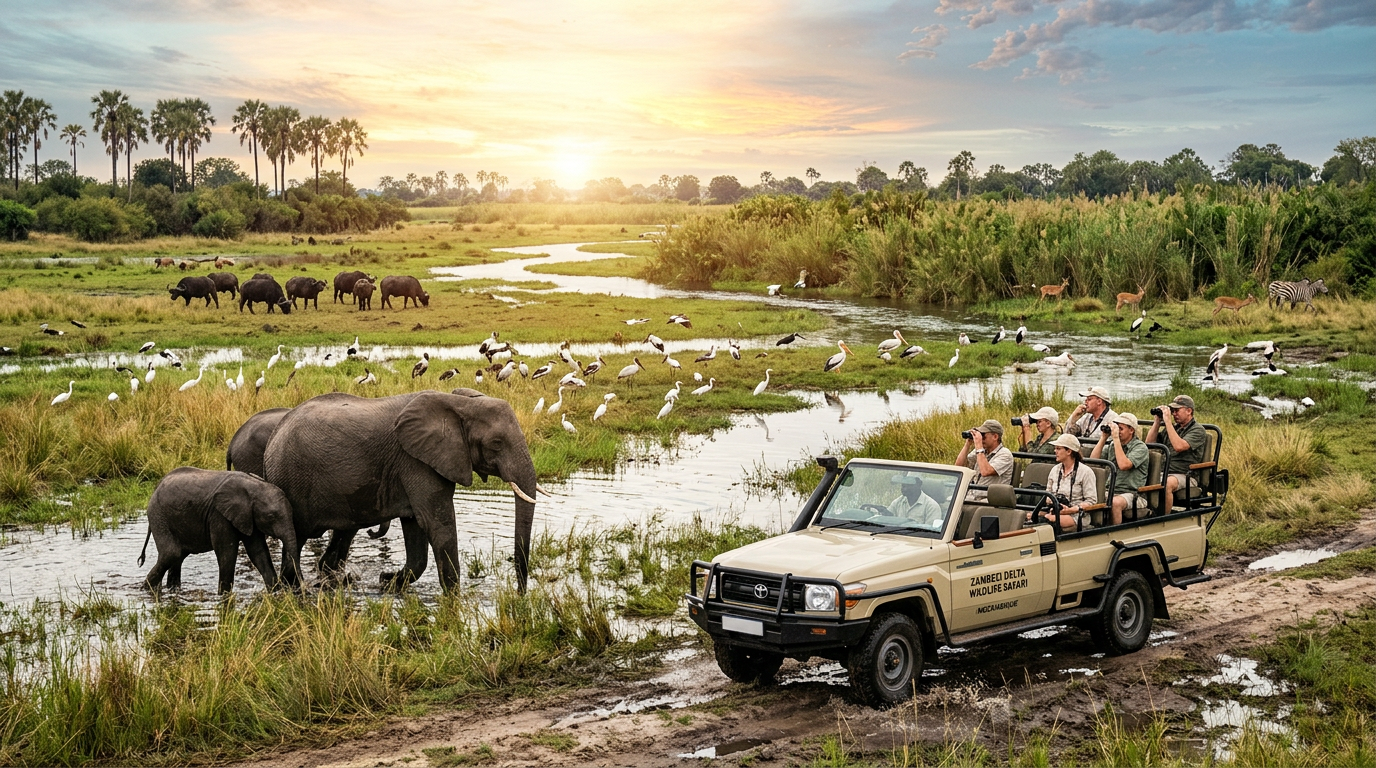
NatureA Mozambican safari operator has been recognized at the U.N. Biodiversity Conference for its decades-long efforts to revive wildlife populations in the Zambezi Delta.
The death of one of Sri Lanka’s best-known wild tuskers has triggered widespread mourning and fresh criticism of government efforts to manage human-elephant conflict.
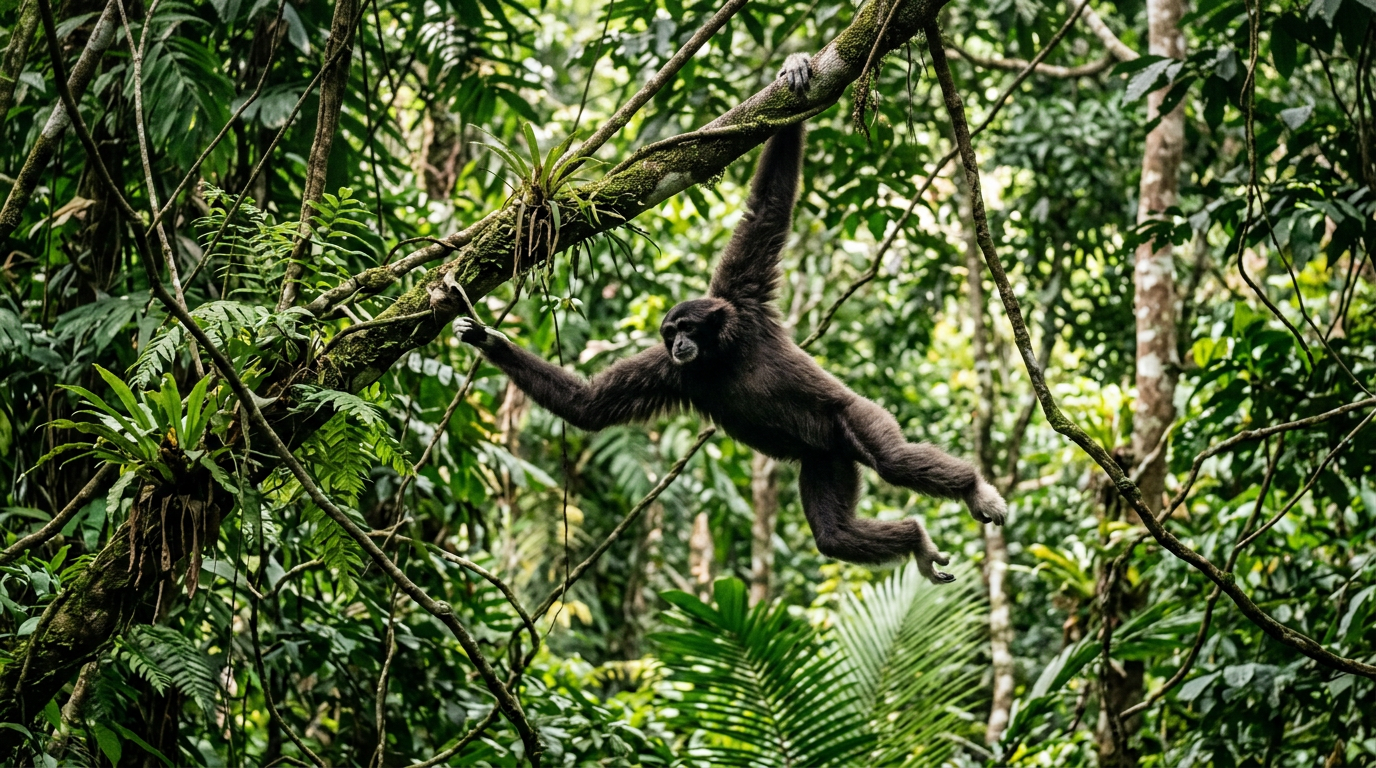
AnimalsAs International Gibbon Day falls on October 24, new reports draw attention to the severe pressures facing every one of the world's 20 gibbon species, from habitat loss to illegal wildlife trade.
Nearly every shallow-water coral reef on the planet stands at high risk of ecological collapse by 2075 according to the first comprehensive assessment using the IUCN Red List of Ecosystems framework.
Communities and scientists are pioneering non-lethal methods to protect snow leopards while supporting herder livelihoods as climate change squeezes their mountain habitat.
Tropical atoll islands long viewed as doomed by rising seas may have a natural lifeline when seabird colonies and native trees remain intact, according to fresh scientific findings.
The disappearance of this apex predator highlights interconnected threats that continue to challenge wildlife preservation efforts across diverse habitats.
Scientists increasingly view large animals as living carbon stores that influence ecosystem carbon balance. With massive historical declines in species like African elephants, conservation may deliver unexpected climate benefits.
Female Iberian lynxes in Spain have been documented carrying dead rabbits to water sources and soaking them before consumption, marking the first recorded instance of prey-washing in a wild felid.
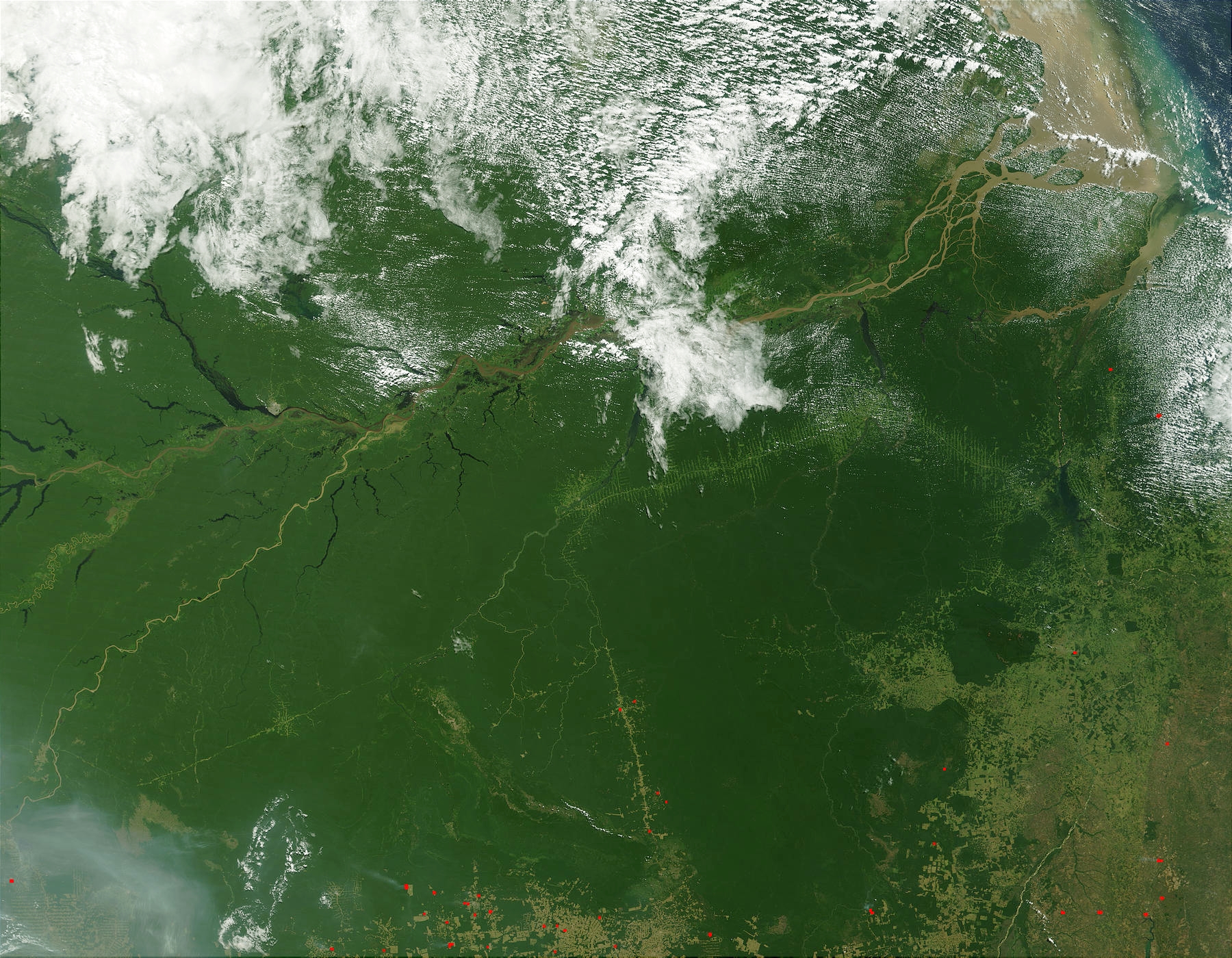
NatureПрирода новини тижня: рекордне падіння вирубки Амазонії, саміт COP17, косатки та рибa-місяць, мангри Індонезії.
Marine biologists have documented orcas deliberately slamming into massive ocean sunfish with enough force to make the bony fish explode, leaving researchers puzzled about the purpose of this behavior.
AnimalsAnatolia's rich biodiversity is under severe threat, with a growing list of extinct and endangered species. This article explores the causes, consequences, and critical importance of addressing the crisis of 'nesli tükenen hayvanlar' in the region.