Mozambican Safari Operator Wins Markhor Award at COP17 for Zambezi Delta Restoration
A Mozambican safari operator has been recognized at the U.N. Biodiversity Conference for its decades-long efforts to revive wildlife populations in the Zambezi Delta.
A Mozambican safari operator received the 2026 Markhor Award at COP17 on October 22 for its work restoring wildlife populations in Mozambique’s Zambezi Delta. Zambeze Delta Safaris, led by professional hunter Mark Haldane, was honored at the U.N. Biodiversity Conference in Yerevan, Armenia, for demonstrating how sustainable wildlife management can support both conservation and local communities.
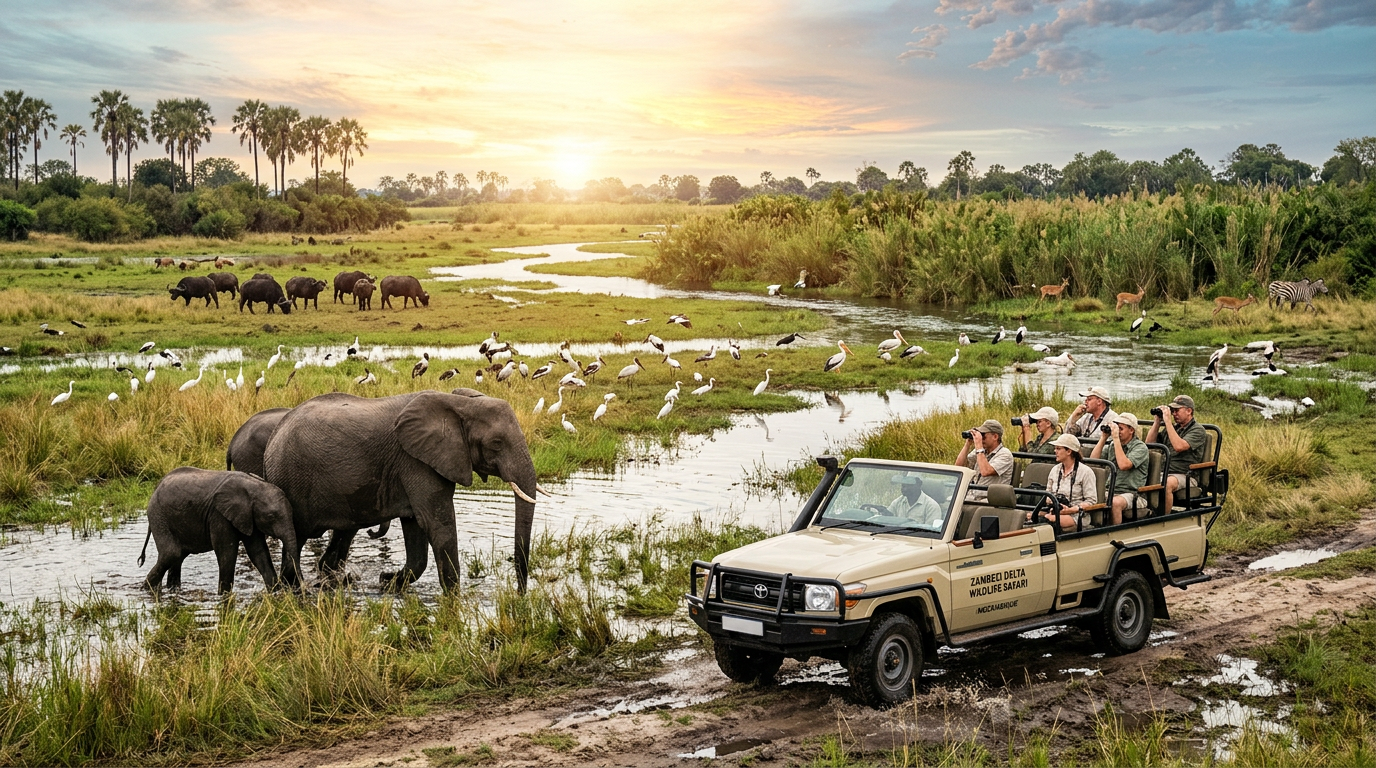
The company has operated in the region for decades, helping reverse declines of large mammals through regulated hunting revenues that fund anti-poaching, habitat protection, and community development. Observers note that populations of buffalo, waterbuck, and other species have shown strong recovery in the delta, an important wetland ecosystem in southern Africa.
What happened
The Markhor Award recognizes outstanding contributions to conservation through sustainable use of wildlife. Zambeze Delta Safaris stood out among international nominees for its measurable results in a region previously affected by civil unrest and poaching. The award was presented during the ongoing COP17 meetings, which focus on implementing the Kunming-Montreal Global Biodiversity Framework.
Haldane’s team has emphasized partnerships with local communities, channeling income from carefully managed hunting into schools, health clinics, and conservation patrols. This model has helped reduce illegal hunting while maintaining economic incentives for protecting the landscape.
Why it matters
Balancing conservation and sustainable use
The recognition highlights a controversial but sometimes effective approach: using regulated trophy hunting to finance conservation in places where traditional funding falls short. In the Zambezi Delta, this method has contributed to habitat restoration across thousands of square kilometers of floodplain and woodland.
Supporting community-led efforts
By involving residents in conservation activities and sharing benefits, the operator has helped build local support for protecting wildlife. This aligns with broader calls at COP17 for solutions that respect the rights and needs of people living closest to nature.
Lessons for global biodiversity targets
The award comes as nearly 90 percent of countries have adopted biodiversity targets yet many lag in implementation. The Zambezi Delta example shows how private operators can complement government efforts, especially in regions facing funding gaps.
What comes next
Delegates at COP17 are expected to discuss how best to scale successful models like community-based sustainable use while addressing concerns about trophy hunting. Zambeze Delta Safaris plans to expand its conservation programs and share lessons with other African operators. Continued monitoring will be needed to ensure wildlife populations remain stable amid climate pressures and growing human demands on the delta.
The award may encourage similar initiatives across southern Africa, where many landscapes require both ecological restoration and viable economic alternatives to illegal resource extraction.
Sources
Frequently asked questions
What is the Markhor Award?
The Markhor Award recognizes individuals and organizations for advancing conservation through sustainable wildlife management practices.
Which organization won the 2026 Markhor Award at COP17?
Zambeze Delta Safaris, a Mozambican safari operator working in the Zambezi Delta, received the award.
How does sustainable hunting support conservation in Mozambique?
Regulated hunting generates revenue that funds anti-poaching, habitat protection, and community development, helping restore wildlife populations.
Why is the Zambezi Delta important for biodiversity?
The delta is a vital wetland ecosystem that supports large mammal populations and contributes to regional ecological health.
See more Atmoswire in Google Top Stories
Open the link, sign in to Google and tick the box next to atmoswire.com.
Add Atmoswire as a preferred source on GoogleComments(0)
- No comments yet. Be the first!