
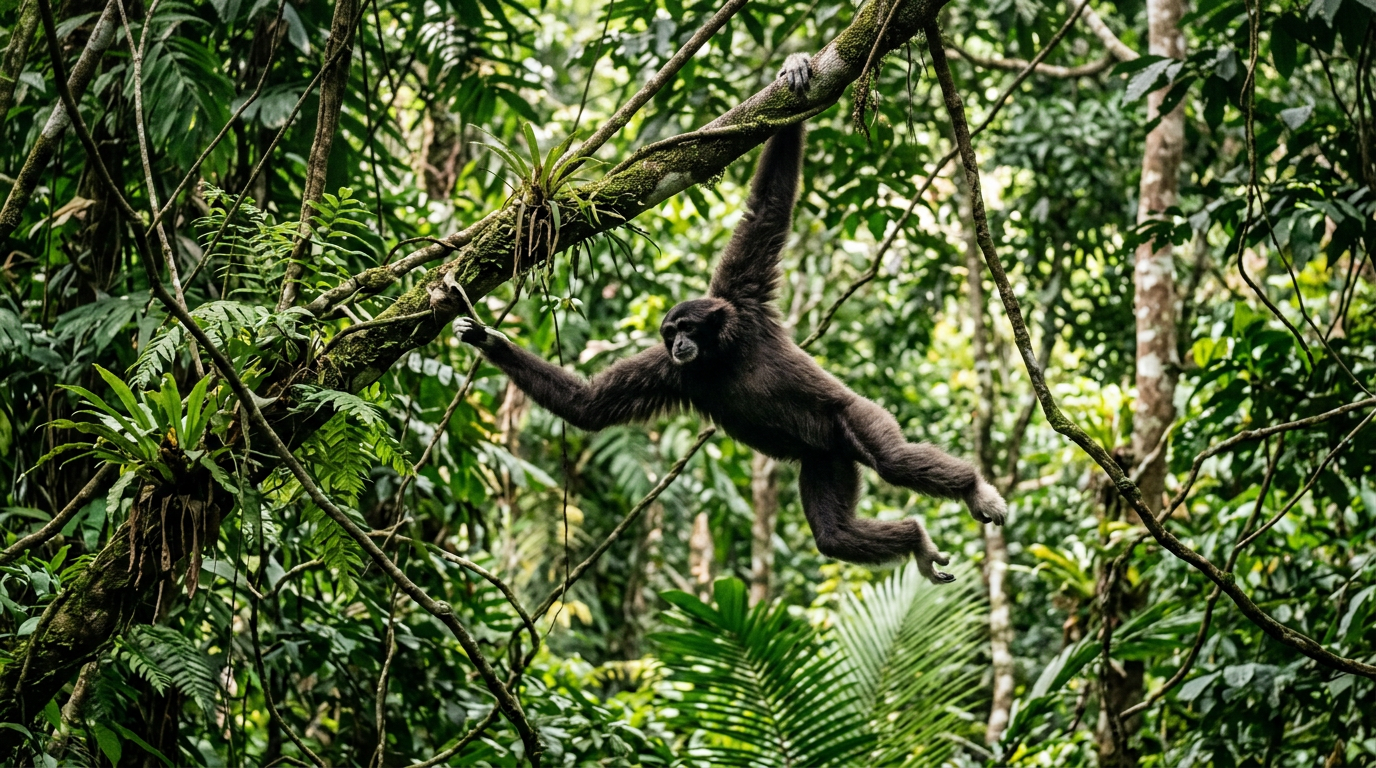
International Gibbon Day 2026 spotlights threats to Asia's swinging apes
As International Gibbon Day falls on October 24, new reports draw attention to the severe pressures facing every one of the world's 20 gibbon species, from habitat loss to illegal wildlife trade.
All 20 gibbon species that swing through the tropical forests of Asia face serious risks on International Gibbon Day 2026. Deforestation, hunting for meat and the trafficking of baby gibbons for the exotic pet trade continue to push populations toward decline despite growing awareness and local protection efforts.
What happened
International Gibbon Day, observed every October 24, serves as an annual reminder of the precarious situation of these small apes. Recent field reports document how rapid forest clearance in Southeast Asia fragments the canopy these acrobatic primates depend on for travel and feeding. At the same time, hunters target adult gibbons while traders remove infants from the wild, often killing the mother in the process.
Three recent investigations reveal both the scale of these pressures and the dedication of people working on the front lines. In several range countries, community patrols have begun to monitor key forest patches, yet enforcement remains patchy and underfunded. Rescue centers report a steady influx of confiscated juveniles that require years of rehabilitation before any chance of release.
Why it matters
Habitat loss fragments families
Gibbons live in tight family groups that sing complex duets at dawn. When roads or plantations slice through their territory, these groups become isolated, reducing genetic diversity and making them more vulnerable to disease and inbreeding. Without continuous canopy, the apes cannot move safely between feeding trees, leading to malnutrition and lower reproduction rates.
Pet trade drives targeted hunting
The demand for cute baby gibbons as status pets fuels a cruel supply chain. Mothers are routinely shot so that infants can be taken alive. Many of these young animals die during transport or from inadequate care once they reach private homes. Those that survive often develop lifelong behavioral problems after being denied normal social development.
Local heroes step up
Despite the threats, small teams of conservationists and indigenous forest dwellers are recording gibbon calls, planting corridor trees and educating border communities. Their work shows that targeted protection of remaining strongholds can stabilize local populations even while broader forest loss continues elsewhere.
What comes next
Conservationists hope that heightened attention around International Gibbon Day 2026 will translate into increased funding for protected areas and stricter enforcement against wildlife trafficking. Long-term survival will also depend on slowing the conversion of tropical forests for agriculture and infrastructure across the species' range. Without coordinated action at national and international levels, many gibbon populations could slip quietly toward extinction in the coming decades.
World Snow Leopard Day: How Community Science and Climate Action Foster Coexistence
Indonesian Women Earn from Mangrove Restoration Efforts
Sources
https://news.mongabay.com/short-article/2026/10/international-gibbon-day-stories-of-threats-and-survival/
Frequently asked questions
How many gibbon species exist and where do they live?
There are 20 recognized gibbon species, all native to the tropical forests of Asia from northeast India through Southeast Asia to Indonesia.
What are the main threats to gibbons on International Gibbon Day 2026?
The primary threats are deforestation that fragments canopy habitat, hunting for meat, and the illegal capture of baby gibbons for the exotic pet trade.
Why is the pet trade particularly damaging to gibbon populations?
Traders usually shoot the mother to seize the infant; most captured babies die in transit or suffer lifelong issues from missing natural social learning.
What conservation actions are helping gibbons survive?
Community patrols, forest corridor restoration, rehabilitation centers for confiscated animals, and public education programs are all contributing to protection efforts.
See more Atmoswire in Google Top Stories
Open the link, sign in to Google and tick the box next to atmoswire.com.
Add Atmoswire as a preferred source on GoogleComments(0)
- No comments yet. Be the first!


