Extractive industries threaten 30x30 nature goal in tropics, report finds
A major new assessment warns that ongoing and planned extractive operations are overlapping with more than 104 million hectares of protected and conserved areas in tropical nations, directly undermining the international commitment to safeguard 30 percent of the planet by 2030.
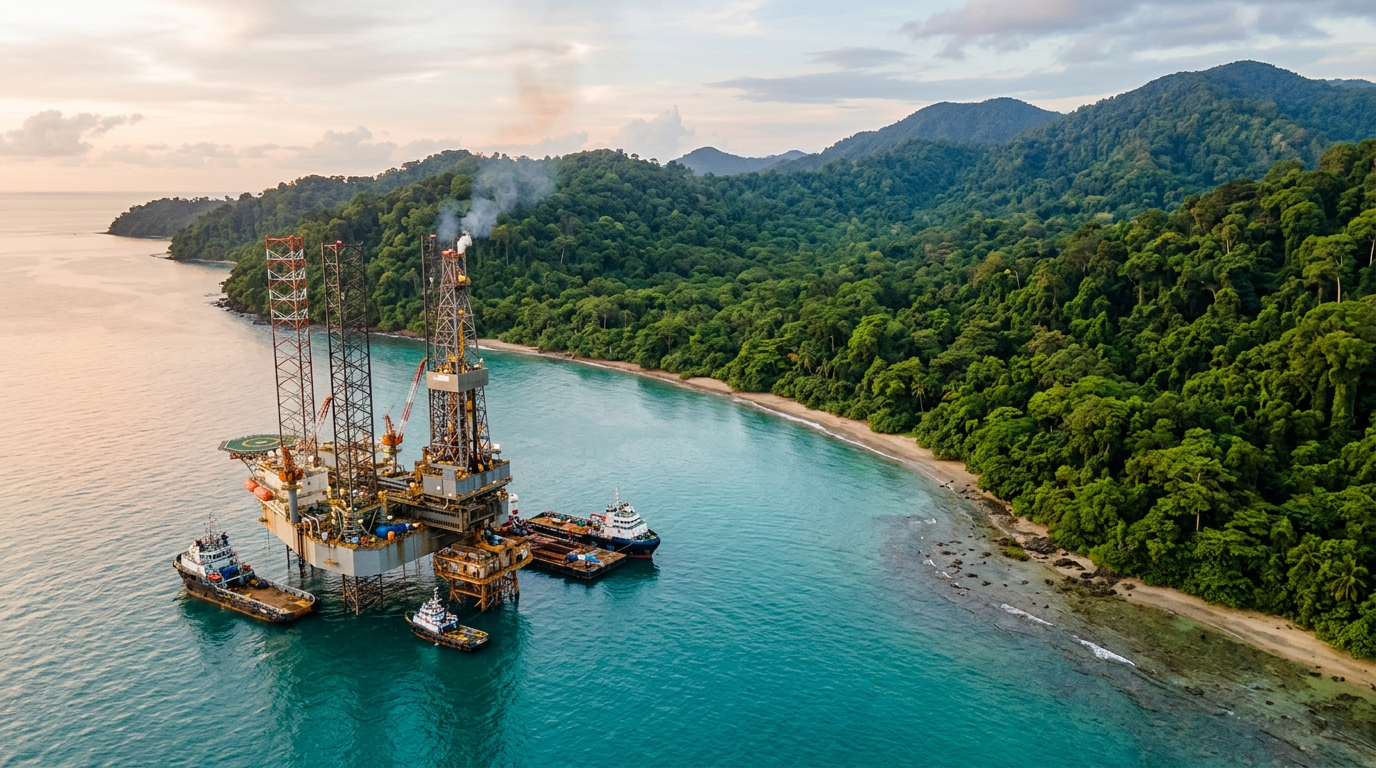
Extractive industries threaten 30x30 tropical protected areas by overlapping with more than 104 million hectares of land meant to conserve nature, a new assessment has found. The report from Earth Insight shows that 61.5 million hectares of protected and conserved zones coincide with active or planned oil and gas blocks across tropical countries, while an additional 42.7 million hectares face potential mining pressure. This massive overlap, equivalent to roughly four times the size of the United Kingdom, raises serious questions about whether the global goal to protect 30 percent of Earth's land and sea by 2030 can be met.
What happened
The analysis examined tropical nations where extractive activities are expanding rapidly. It identified extensive spatial conflicts between designated conservation zones and both current and future oil, gas and mineral operations. Many of these overlaps occur in biodiversity hotspots that support unique species and provide critical ecosystem services such as carbon storage and water regulation.
The findings come at a time when nearly 90 percent of countries have adopted biodiversity targets yet continue to lag on actual implementation. Governments often grant extraction concessions in areas previously set aside for protection, creating legal and practical contradictions that weaken conservation efforts.
Why it matters
Biodiversity at immediate risk
Protected areas overlapping with extractive industries threaten 30x30 tropical protected areas by exposing rare habitats and endangered species to pollution, habitat fragmentation and infrastructure development. Once roads and drilling platforms are built, secondary effects such as illegal logging and hunting typically follow, accelerating species decline.
Climate implications
Tropical forests and wetlands within these zones store vast amounts of carbon. Disrupting them through extraction would release significant greenhouse gases, making it harder to meet climate targets. This conflict between fossil fuel expansion and nature protection highlights the need for coherent policy across environmental and energy sectors.
Impact on indigenous and local communities
Many of the affected lands are traditionally managed by Indigenous peoples and local communities who have successfully conserved biodiversity for generations. Extractive activities frequently undermine their rights and livelihoods, despite growing recognition that their stewardship is essential for effective conservation.
Internal efforts to strengthen protection include calls for delegates at upcoming summits to follow the lead of Global South women advancing biodiversity initiatives. COP17 Delegates Urged to Follow Global South Women Leading Biodiversity Efforts and examples of successful community-led restoration, such as Indonesian Women Earn from Mangrove Restoration Efforts, demonstrate alternative pathways that avoid destructive extraction.
What comes next
The report urges governments to cancel extractive concessions that overlap with protected and conserved areas and to strengthen legal safeguards before the 2030 deadline. It also calls for redirecting financial support away from fossil fuels and mining toward genuine conservation and restoration projects.
Observers expect the issue to feature prominently at COP30 in Brazil, where tropical nations will face increased pressure to align energy policies with biodiversity commitments. Without urgent reforms, the 30x30 target risks becoming an empty promise as extractive frontiers continue to expand into the world's most important remaining natural landscapes.
Recent positive developments, such as Nigeria Evicts Gold Miners from National Park and Amazon Deforestation Falls 42% to Record Low, show that decisive government action can yield results. The coming years will determine whether such examples become the norm or remain exceptions in the face of growing industrial pressure.
Sources
https://news.mongabay.com/2026/10/extractive-industries-threaten-global-goal-to-protect-30-of-nature-by-2030-report-finds/
Frequently asked questions
How many hectares of protected tropical land overlap with extractive industries?
More than 104 million hectares are affected, including 61.5 million hectares overlapping with oil and gas blocks and 42.7 million hectares with mining interests.
What is the 30x30 global biodiversity target?
The commitment, agreed by nearly 200 countries, aims to protect and conserve at least 30 percent of the world's land and ocean by 2030.
Why do extractive industries threaten 30x30 tropical protected areas?
They create direct spatial conflicts, lead to habitat destruction, increase carbon emissions and undermine the rights of Indigenous peoples who manage many of these lands.
See more Atmoswire in Google Top Stories
Open the link, sign in to Google and tick the box next to atmoswire.com.
Add Atmoswire as a preferred source on GoogleComments(0)
- No comments yet. Be the first!